Fantasy has always loved categories.
Heroes save the day.
Villains destroy it.
Everyone else exists in the background.
But modern fantasy—and especially Ironstardust—doesn’t respect those boundaries. Instead of clear sides, it offers something far more unsettling: characters who adapt, compromise, and survive.
This is a deliberate break from traditional fantasy character archetypes, and it’s changing how readers experience stories.
The Old Rules of Fantasy Archetypes
Classic fantasy operates on moral clarity.
In traditional heroes vs villains fantasy, roles are predictable:
- Heroes are noble, selfless, and chosen.
- Villains are corrupted, power-hungry, and defeated.
- Conflict is resolved through moral superiority.
These archetypes were designed to reassure readers. Good wins. Evil falls. Order is restored.
But reassurance isn’t always satisfying—especially in a world that rarely works that way.
Why Clear Heroes and Villains No Longer Feel Enough
As fantasy audiences matured, so did expectations.
Readers began asking different questions:
- What happens after the victory?
- What does survival cost?
- Who decides what “good” actually means?
This shift opened the door to modern fantasy character roles—characters defined not by morality, but by response to pressure.
Ironstardust lives entirely in this space.
Ironstardust’s Core Characters: Neither Saints nor Monsters
Ironstardust rejects simple labels. Its characters are not heroic because they’re good, or villainous because they’re evil.
They are shaped by:
- Systems that reward cruelty.
- Power structures that punish innocence.
- Choices made under threat, not comfort.
This is where morally gray characters in fantasy become essential—not as gimmicks, but as realism.
The Rise of the Survivor Archetype
Ironstardust’s most defining contribution to fantasy character archetypes is the survivor.
Survivors aren’t heroes.
They don’t fight for justice.
They fight because not fighting isn’t an option.
Traits of the Survivor:
- Pragmatic rather than idealistic.
- Loyal selectively, not universally.
- Willing to make morally uncomfortable decisions.
Survivors don’t seek glory. They seek continuation.
This archetype reflects real human behavior under stress, making it far more relatable than traditional heroism.
Anti-Heroes Without Romance
Many stories glamorize the anti-hero. Ironstardust doesn’t.
Its anti-hero fantasy analysis reveals characters who:
- Know their flaws.
- Live with consequences.
- Don’t receive redemption as a reward.
These anti-heroes aren’t cool rebels. They’re tired, sharp, and painfully aware of what their choices cost.
And that honesty is precisely why they resonate.
Heroes and Villains Are Roles, Not Identities
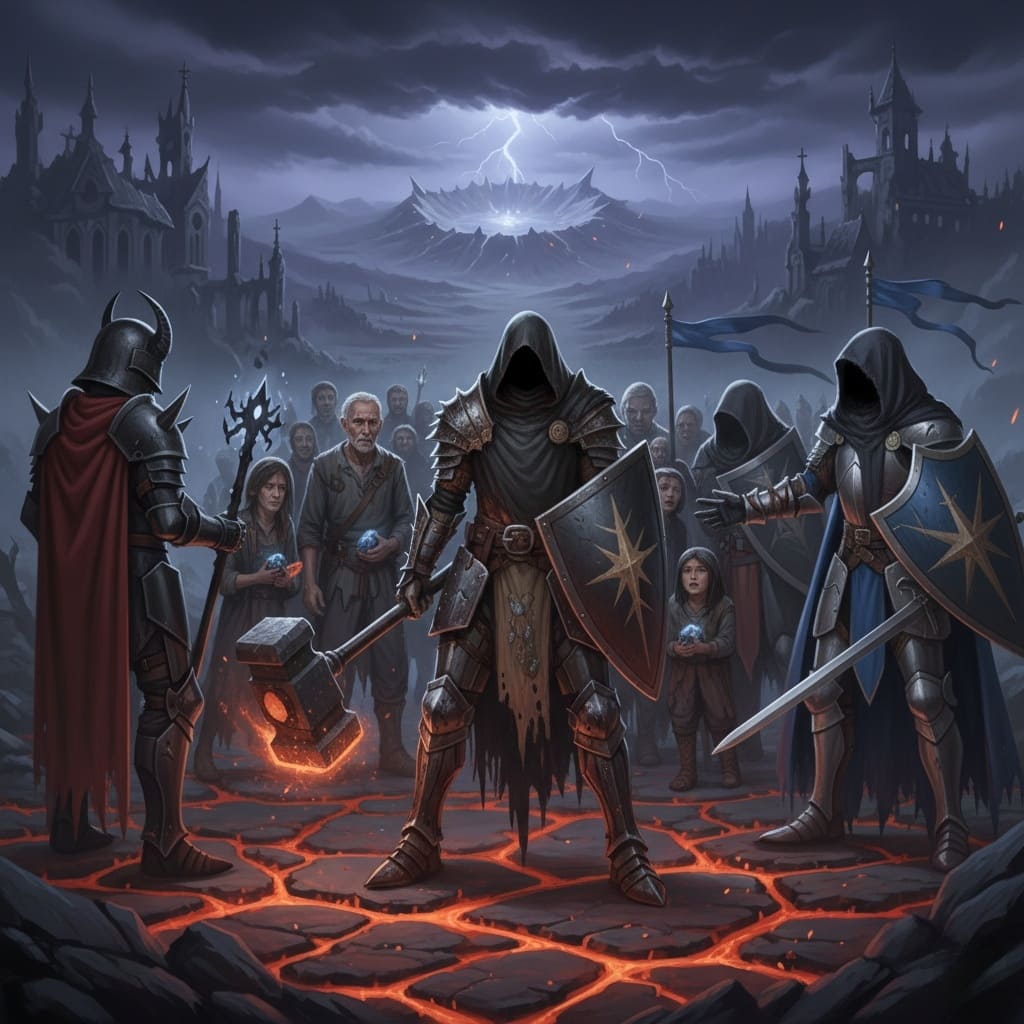
In Ironstardust, “hero” and “villain” aren’t identities—they’re perspectives.
A character may be a hero to one group and a villain to another. The story refuses to tell you who to cheer for.
This reframes heroes vs villains fantasy into something more complex:
- Power defines morality.
- Outcomes matter more than intentions.
- Victory doesn’t erase damage.
Readers are forced to evaluate actions, not labels.
Why This Approach Works in Modern Fantasy
The success of Ironstardust’s character design reflects a broader shift in storytelling.
Modern readers want:
- Psychological realism.
- Ethical complexity.
- Characters shaped by systems, not destiny.
This evolution of modern fantasy character roles mirrors real-world uncertainty. People no longer believe in perfect heroes—but they believe deeply in survival.
The Twist: You’re Not Meant to Choose a Side
Ironstardust doesn’t ask you to decide who’s right.
It asks you to ask:
- What would you do in their place?
- Which compromises would you accept?
- Where would you draw the line?
By breaking fantasy roles, the story turns the reader into the moral center.
What This Means for Fantasy as a Genre
Ironstardust isn’t dismantling fantasy—it’s refining it.
By moving beyond rigid fantasy character archetypes, it creates space for:
- Deeper emotional engagement.
- More honest conflict.
- Stories that linger after the final page.
This isn’t fantasy about triumph.
It’s fantasy about consequence.
In short,
Ironstardust doesn’t ask whether someone is a hero or a villain.
It asks a harder question:
What does it take to survive, and who do you become when you do?