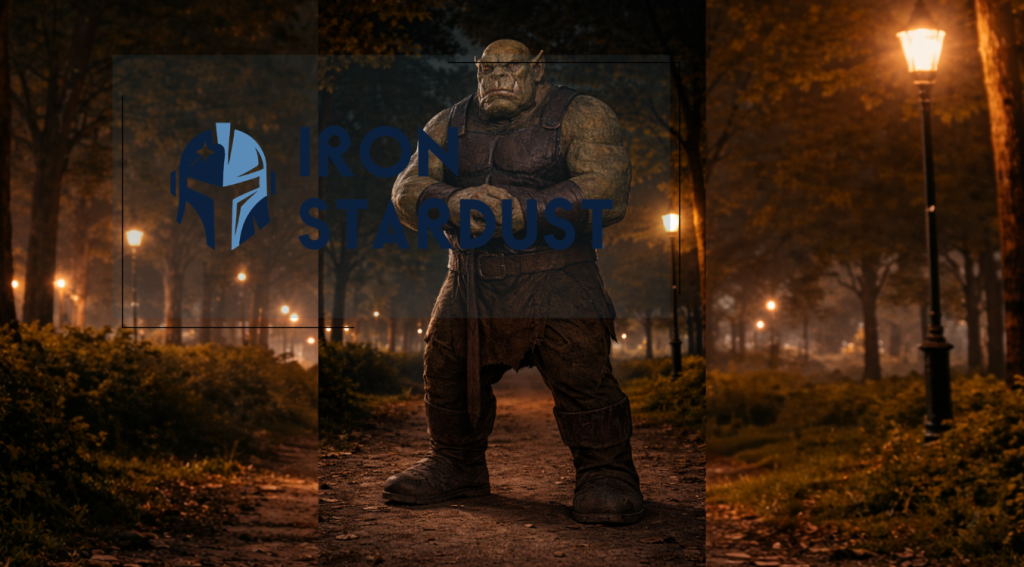
When most people hear the word “giant,” the first image that comes to mind is a towering brute smashing mountains, carrying a club, and maybe shouting something deeply unintelligent. But the truth is, giants in sci-fi and fantasy have evolved far beyond their simple, stompy beginnings. Today, they’re complex characters, emotional forces, symbols of power, and in many stories, surprisingly relatable beings. Whether they appear as cosmic titans, misunderstood soft-hearts, or ancient guardians, giants have become one of the most fascinating pillars of speculative fiction.
Why Giants Fascinate Us
From the earliest myths to modern blockbusters, giants have captured human imagination for one big reason: they exaggerate the boundaries of existence. Everything about them—size, strength, presence—forces us to think about scale in a way we never do in everyday life.
But they aren’t just massive bodies. They symbolize things we can’t express easily:
- Power that can’t be contained
- Loneliness that feels larger than life
- Fear of forces beyond our control
- Wonder at how small humans are in the universe
They’re mirrors of the human condition, just… well, much taller.
Types of Giants Across Genres
1. The Mythical Guardians
They protect sacred places or ancient secrets. They appear in Norse legends, Greek myths, and countless early fantasy stories.
2. The Cosmic Titans (Sci-Fi’s Favorite)
Here, giants are often creatures born from stars, voids, collapsed planets, or energy fields. They’re not just big—they’re impossibly big, pushing the boundaries of what life can be.
3. The Misunderstood Outsiders
Not all giants are villains. Many are gentle, lost, or simply different. Modern fantasy loves exploring their emotional depth.
4. The Brutal Destroyers
Of course, some giants simply exist to smash things. And honestly? Sometimes that’s fun.
Giants in Literature and Pop Culture
From the classic giants of folklore to the titans of modern fantasy epics, these massive figures show up again and again. They mark turning points in stories, representing chaos, ancient history, or unstoppable might. But good fiction rarely paints them with only one color—even the fiercest giants often hold tragically human motivations.
Giants in the Iron Stardust Universe
The Iron Stardust universe brings a fresh, imaginative take on giants—one that blends cosmic wonder with emotional storytelling.
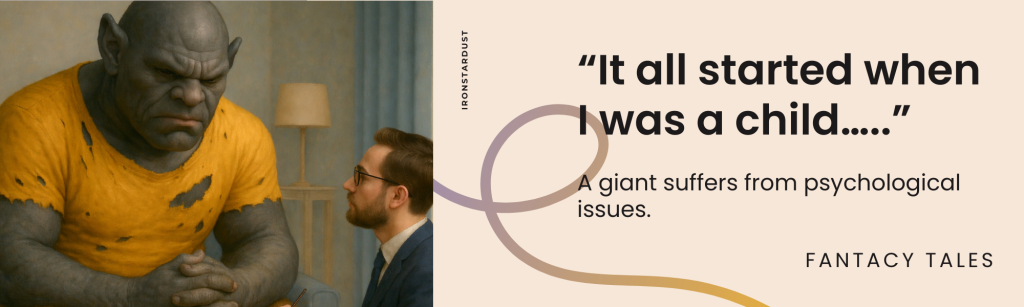
One of the most memorable giants appears in the story “It All Started When I Was a Child.” In it, we meet Gorgonzola, a character who is far more than a massive presence. Gorgonzola is part guardian, part mystery, and part emotional anchor in a narrative filled with quiet magic and childhood wonder.
Unlike the typical raging giant, Gorgonzola has depth. Their size is impressive, yes, but it’s their personality—thoughtful, oddly gentle, and slightly comedic—that makes them unforgettable. Gorgonzola represents the fantasy idea that giants aren’t defined by destruction, but by impact—on worlds, on people, and on the hearts of readers.
Through characters like Gorgonzola, Iron Stardust transforms the giant trope into something layered, modern, and deeply human.
Why Giants Still Matter Today
As readers, we’re still drawn to them because they challenge how we see ourselves. We measure our courage against their power, our fears against their shadows, and our hopes against their stories.
In sci-fi and fantasy, they serve as:
- Symbols of overwhelming challenges
- Representations of forgotten ancient eras
- Gatekeepers to wisdom or ruin
- Reminders that strength doesn’t always equal cruelty
They’re massive canvases for storytelling—each one a walking metaphor.
Conclusion: Giants Are Here to Stay
From myth to modern sci-fi, giants have never been just “big creatures.” They are emotional, symbolic, and powerful forces that writers use to explore themes of fear, ambition, loneliness, and awe. And in worlds like Iron Stardust, giants like Gorgonzola prove that even the largest beings can hold the softest, strangest, and most captivating stories.
If you want a giant with heart, humor, and cosmic flair, take a journey into the Iron Stardust universe—where big characters are more than tall; they’re unforgettable.